Large Butt Plug Manufacturer · Supplier · Wholesale
Large Butt Plugs Made to Your Specifications
We manufacture large TPE butt plugs at our Dongguan factory, managing 3D design, steel mold making, injection molding, machining, and packing in one site. Specify the diameter, insertable length, base width, and firmness your brand needs.
Before tooling starts, we review your drawing or sample and confirm measurable product dimensions, material targets, and the right validation route.
1,800 m²
Factory space
10
Injection molding machines
3
In-house TPE mixers
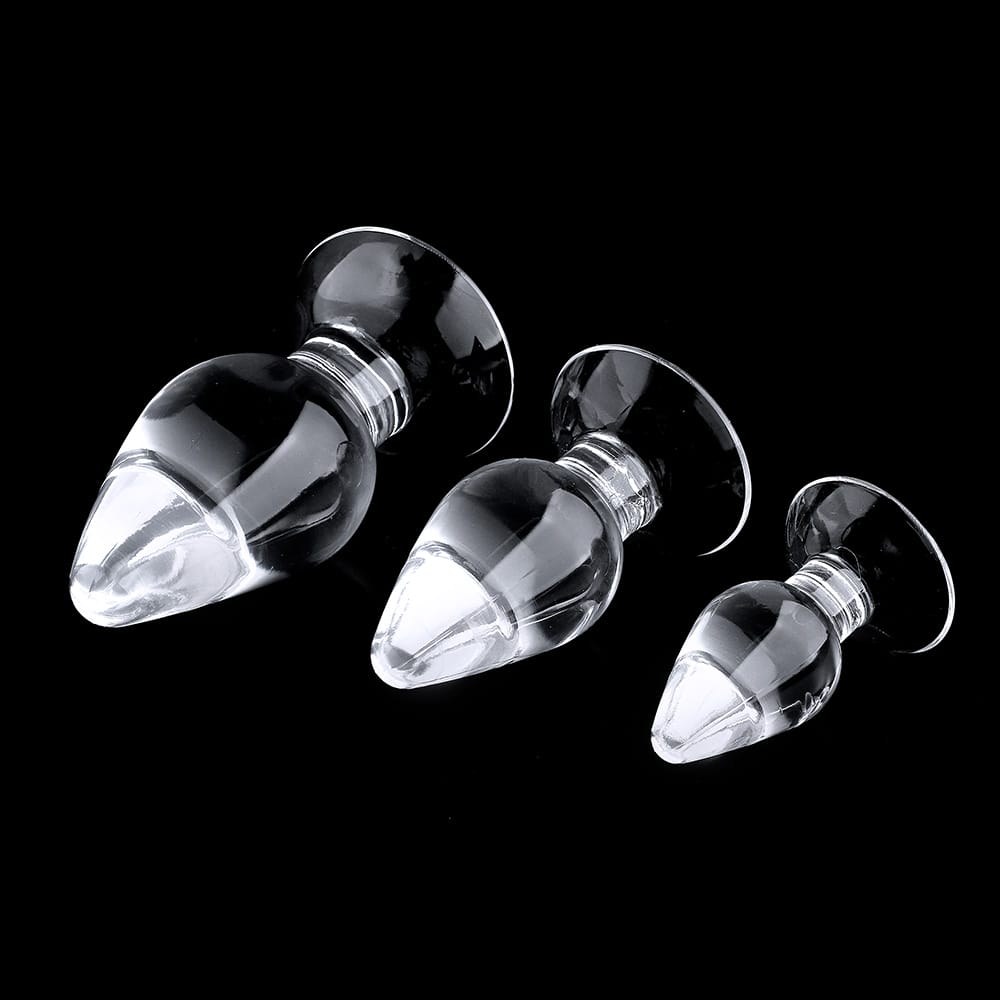
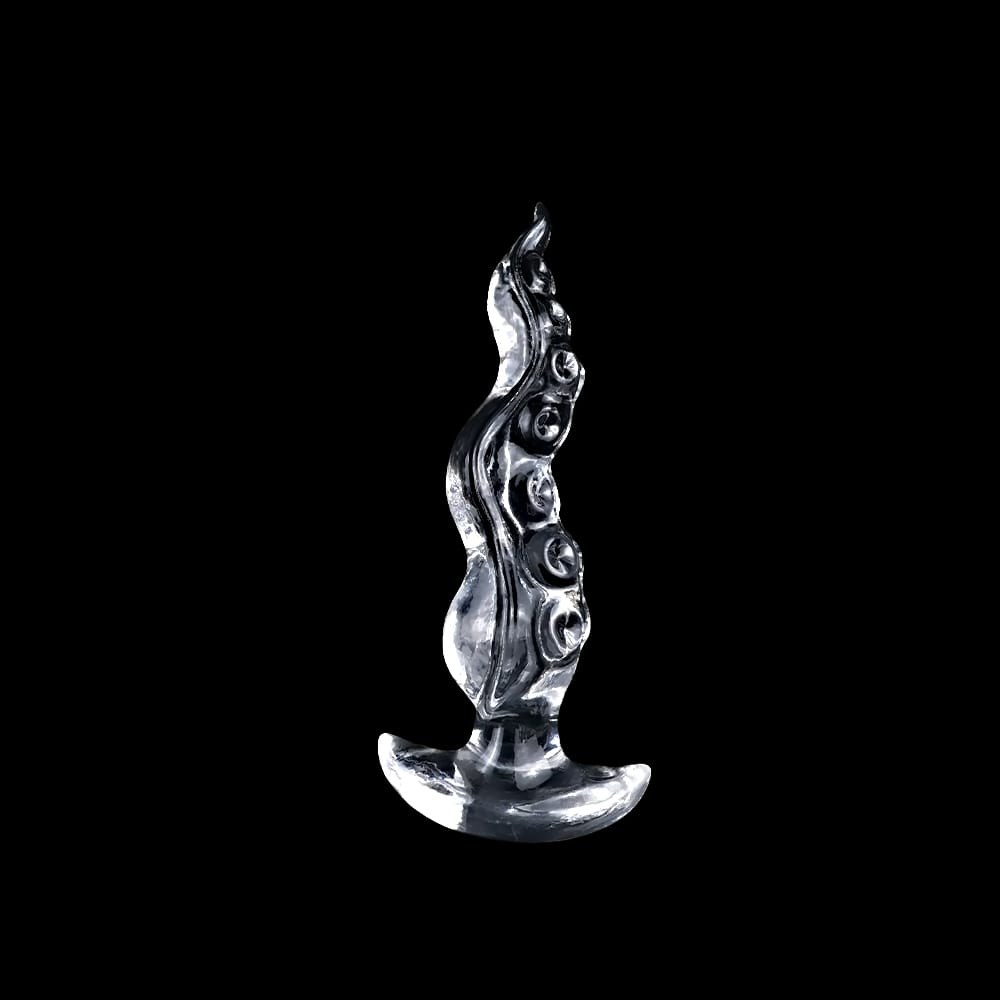
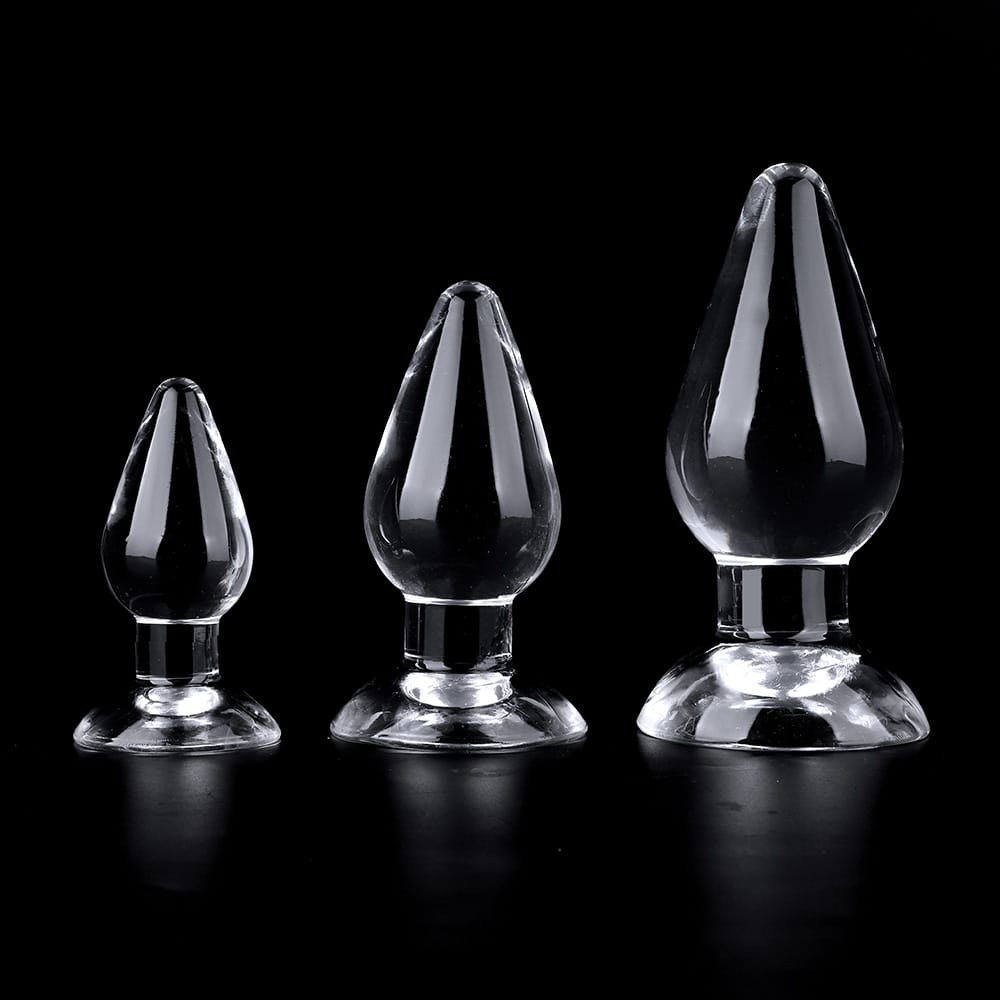
Start with measurable details
What “large” means for sourcing
Size labels vary between suppliers. Define the product in measurements before comparing quotes: the same “large” label can represent different mold costs, material use, and unit prices.
Diameter progression
A gradual taper from tip to shaft can reduce stress at the flex point and make the product easier to insert and clean.
Flared base design
Base width supports stability and handling; its thickness affects material use and molding cycle time.
Wall thickness and cooling
Thicker sections in large sizes need balanced cooling to help limit sink marks and warping.
Hardness at larger diameters
A larger body can compress differently under the same Shore value, so we recommend assessing firmness on a sample at the intended size.
Quote preparation
Specification sheet for a firm quote
Share what you know; missing details are normal. We can review open questions with you before finalizing a specification.
Have a drawing or sample?
A 2D drawing or 3D STEP or IGES file helps us review feasibility. A hand-drawn sketch works for early discussion; a dimensioned drawing is needed before tooling.
| Specification | What to provide | Why it matters |
|---|---|---|
| Maximum diameter | Measurement at the widest point, in mm | Sets cavity size and steel block requirements |
| Insertable length | Tip to base face, in mm | Affects core length and venting |
| Base width | Outer flange diameter, in mm | Informs base thickness and stability |
| Weight and hardness | Target weight in g and Shore range | Informs TPE use, feel, and unit cost |
| Color and quantity | Pantone or physical reference; first order and annual volume | Guides compound consistency and mold strategy |
| Packaging | Standard or private label requirements | Helps plan packaging and artwork lead time |
Material development
TPE compounding and hardness selection
TPE is our primary material. Three in-house mixers let us adjust compound, hardness, color, and feel to your target. Softer compounds deform more easily and may sag on very large diameters if the wall is too thin; firmer compounds hold their shape better but feel less pliable.
Test at the intended size
We typically begin with two or three test formulas and sample them on the same mold. Comparing formulas on the actual size helps avoid a mismatch between a short-format sample and a full-size product.
We record each batch to support repeat orders that match the approved sample and can provide compound and test documentation for your files.
Tooling for large formats
Mold structure designed around the part
Gate and flow
For closed-end shapes, the gate is usually at the base. We review flow before cutting steel to reduce the risk of flow lines or incomplete fill at the tip.
Venting and cooling
Parting-line and, where needed, core vents help address trapped air. Cooling is planned around the thickest section first to help prevent sink marks and warping.
Ejection and cavity count
Ejector pins, stripper features, or air assist can help release soft TPE without distortion. We usually begin new large-size designs with a single-cavity trial mold; multi-cavity tooling is quoted after sample approval.
New mold development is assessed individually based on design complexity and order requirements. We can quote from a drawing or reverse-measure a sample.
Dongguan production
Molding, machining, and packing in one factory
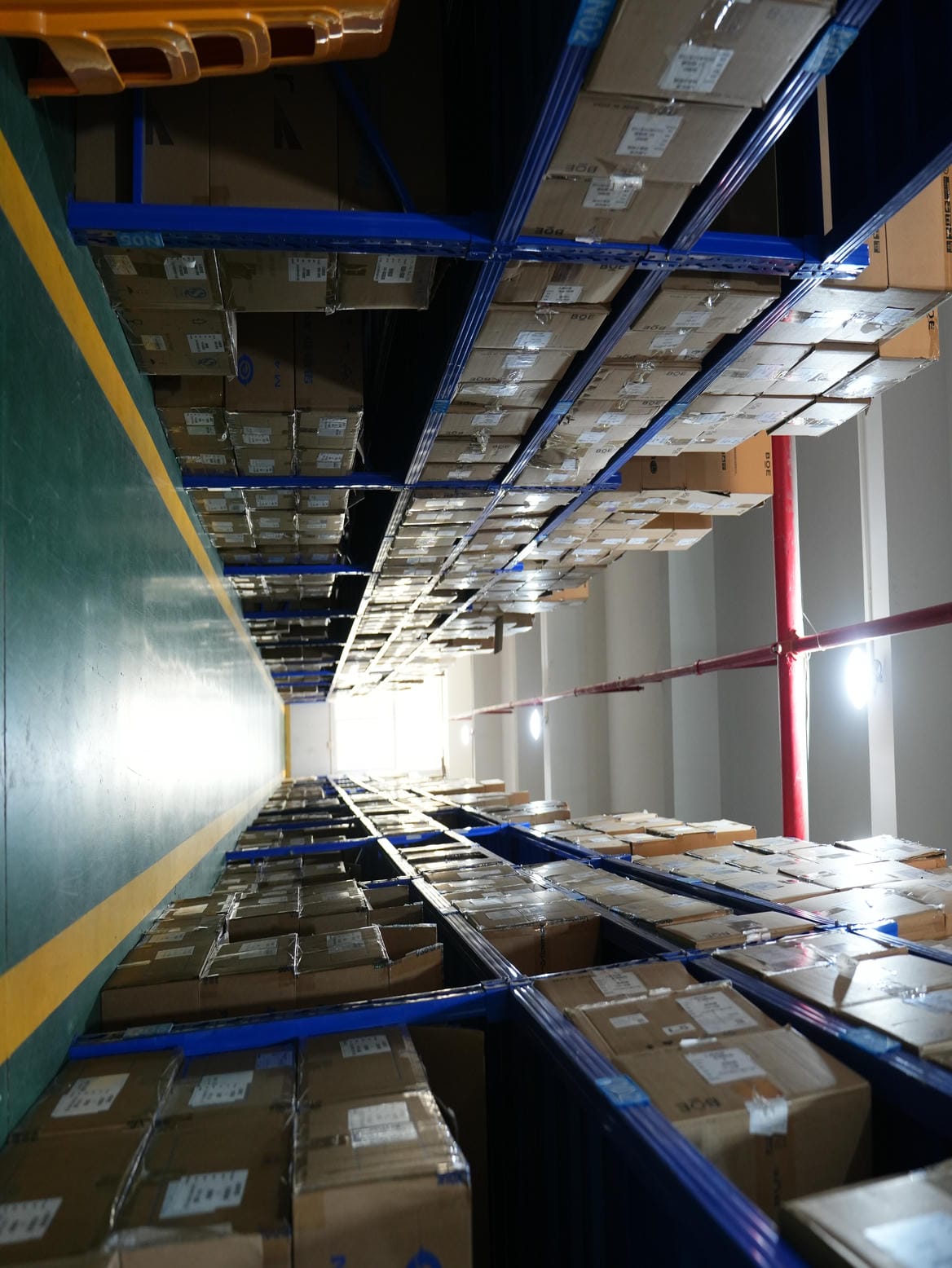
Our approximately 1,800 m² factory includes around 900 m² for injection molding, 500 m² for machining, 300 m² for warehousing, and 100 m² for offices. Keeping these stages together helps us coordinate changes to dimensions or hardness without sending work to another supplier.
| Equipment | Quantity | Production role |
|---|---|---|
| Injection molding machines | 10 | Large-shot TPE production |
| EDM machines | 2 | Fine cavity details and vent work |
| Mold-making machine | 1 | Core and cavity machining |
| Lathe | 1 | Mold inserts and fixtures |
| Mixers | 3 | TPE compounding and color batches |
| Shredders | 3 | Runner material handling |
Ten molding machines allow trial batches and bulk orders to run in parallel, so trial samples do not have to wait behind other clients’ production runs.
Sample-first development
A clear validation path before bulk production
Each stage has a review point. For first-time specifications, we recommend approving at least one revision before committing to bulk tooling.
- 01
Feasibility review
Review wall thickness, draft, base design, and drawing details.
- 02
Prototype or trial molding
Produce samples in the agreed hardness and color.
- 03
Dimensional check
Measure diameter, length, base width, and weight against the specification.
- 04
Surface and feel review
Inspect flow marks, sink, flash, vent marks, and tactile consistency.
- 05
Revision and approval
Adjust the mold or formula as needed, then review a second sample.
- 06
Pre-production reference
Keep the approved sample as the reference for bulk production. Samples are normally shipped within a few days of approval.
OEM and ODM sourcing
Choose the right route for your product program
From an existing mold to a made-to-measure design, we can help match the development route to your specification and order plan.
Stock, reorder, or customize color and hardness
If an existing large size meets your target, stock items and reorders typically ship in about 1–3 days. A custom color or hardness usually requires a compound test batch, but not new steel. This route can suit distributors and retailers testing demand or brands seeking a distinct feel.
Custom dimensions on a new mold
A new mold can suit brands that need a differentiated size range or specific structural details. Development is evaluated individually; we review the drawing or sample and provide a dated schedule after assessing steel preparation, machining, and trial rounds. Tooling and trial stages are quoted separately.
Private label packaging and launch support
Use an existing mold with custom packaging, logo, color cards, or instruction manuals. Share artwork in advance so packaging lead time can be confirmed. Bulk cartons can carry your SKU and barcode information when supplied.
Quality and compliance
Checks throughout production
Quality checks include sampled weight, dimensions, and hardness during production, plus inspection for surface defects and vent marks. Packed goods are checked against the approved sample before shipment.
CE, RoHS, REACH, and POPs documentation can be provided to support applicable requirements in Europe and the United States. Certificate scope depends on the specific compound and product; we confirm the documents relevant to your SKU before ordering.
Lead times and order planning
In-stock or reorder
About 1–3 days
Color or hardness change
Evaluated per request
New mold development
Evaluated individually
Private label packing
Confirmed per order
New mold timing depends on steel preparation, machining, and trial rounds. We provide a dated schedule after drawing review.
Start your specification review
Request Large Butt Plug Specifications
Send your target size, material preferences, and order plan. We’ll review feasibility and provide a quote structure, with mold and trial stages listed separately for new designs.
- Company name and sales channel: brand, distributor, wholesaler, or retailer
- Target diameter, insertable length, base width, and weight
- Shore hardness range and color reference
- Estimated first order and annual volume
- Drawing or sample, if available
- Standard or private label packaging requirements
Email:
Address:
Share your requirements with our team to begin a specification review.
Buyer questions
Frequently asked questions
Do you have a minimum order quantity?
Our OEM and ODM programs do not have a fixed MOQ. Trial quantities and small-batch orders are supported; the final quantity plan depends on whether the product uses existing tooling or a new mold.
Can you match a sample I already have?
Yes. Send the sample with its dimensions and weight. We can measure it, prepare a reference drawing, and quote a mold based on the measurements.
Can you change hardness without a new mold?
In many cases, yes. A hardness or color change usually requires a compound test rather than new steel. We confirm the approach after reviewing your target.
Which certifications can you provide?
CE, RoHS, REACH, and POPs documentation can be provided. We confirm the applicable scope for your specific product before shipment.
Can you support a first-time brand?
Yes. We can review your size, feel, and packaging plan before tooling begins, then suggest a sample-first route to help control early investment.