Product development for inventors
Turn your product idea into a manufacturable product
A drawing can look right long before anyone has checked how it will be molded, what tooling may cost, or how many sample rounds it will take. We help independent inventors, product entrepreneurs and crowdfunding teams move from an early concept to validated samples and production.
Start with a hand sketch, reference image, design drawing or partial CAD file. We review manufacturability before tooling so you can make informed decisions about product design, budget and launch timing.
Mutual NDA available before you share drawings or reference images.
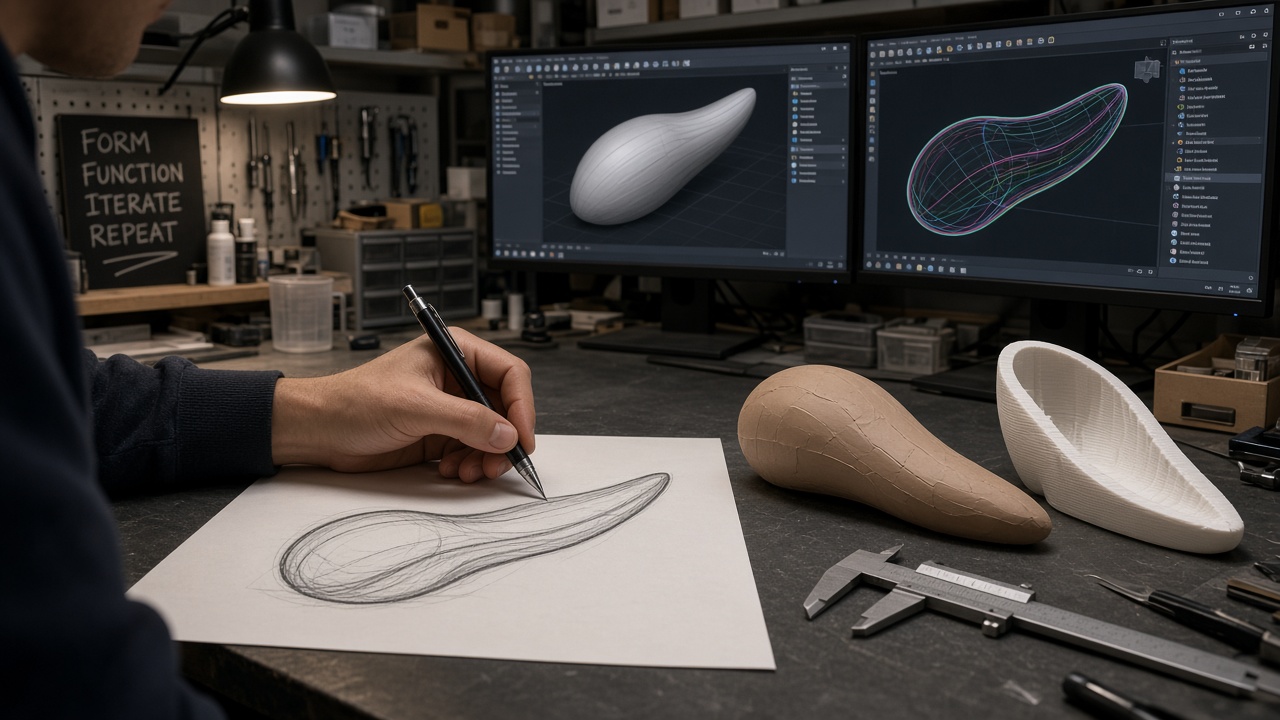
From early concept to production
Design review, 3D modeling, prototype validation, mold making, trial molding and mass production—planned around your product’s structure and requirements.
A lower-risk route to tooling
What happens to a concept before it becomes a mold?
Tooling is not the first step. We begin by checking whether the product can be made as designed, and identify structural choices that could affect the mold, cost or sample schedule.
During a manufacturability review, we assess wall thickness, undercuts, parting line position and draft angles, including whether a two-part steel mold can release the shape without cost-adding side actions. Geometry can influence tooling substantially: a feature that looks simple on screen may require a lifter or slide. We flag these trade-offs in writing so you can decide what to retain, simplify or plan for a later version.
-
01 / Review
Feasibility assessment
We assess sketches, reference images or CAD for shape, function and molding constraints, then summarize risks and open questions.
-
02 / Define
Production-oriented 3D model
Dimensions, wall sections and assembly points are refined before steel is cut.
-
03 / Validate
Prototype or soft-tooled sample
Check feel, size and function with a physical sample—a practical way to uncover design issues before committing to a production mold.
-
04 / Tool
Mold making and polishing
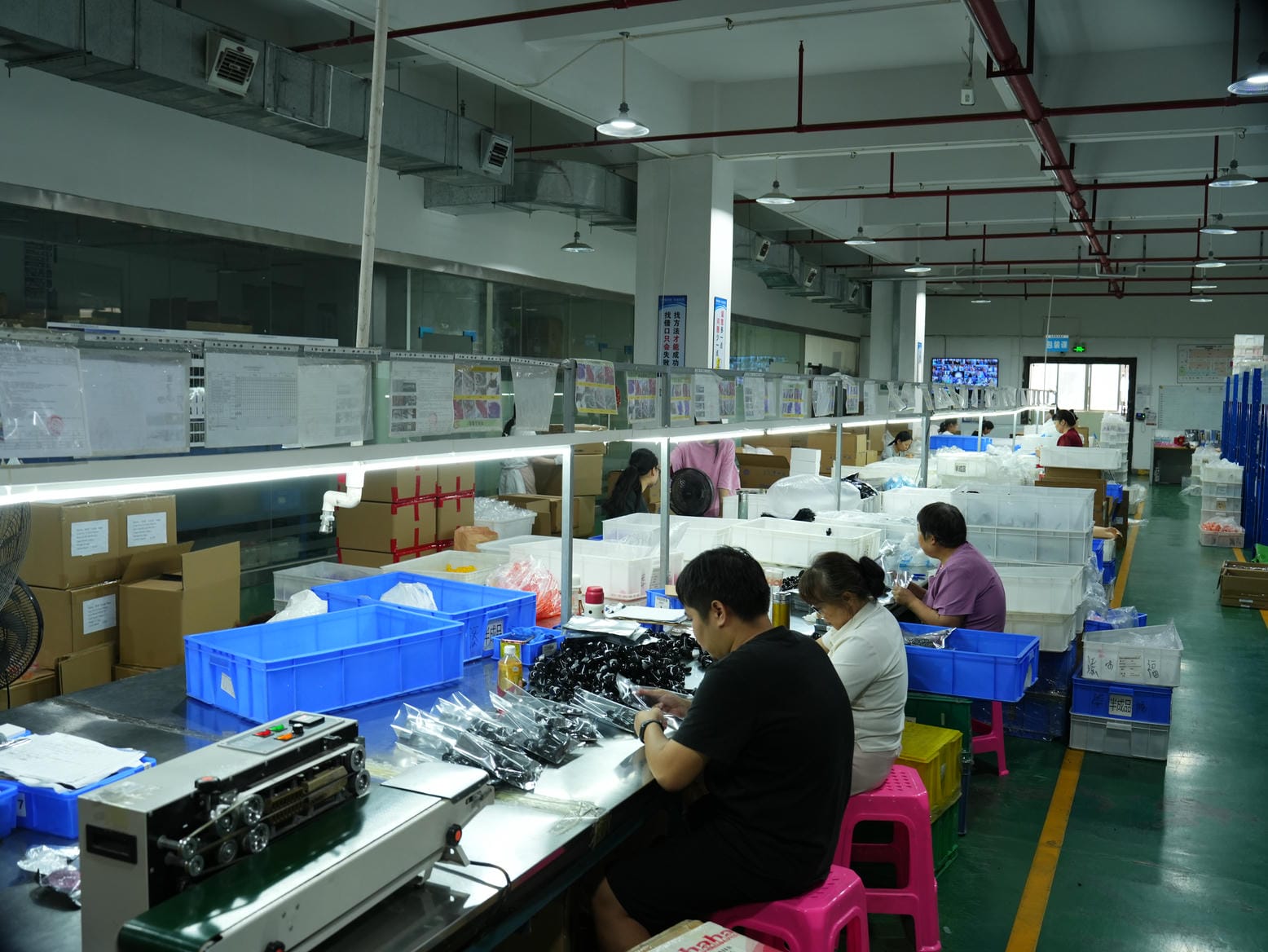
Tooling is made in our in-house mold department and polished to the surface finish your product requires.
-
05 / Trial
Trial molding and sample approval
Test shots are checked for dimensional stability, flash, sink marks and color consistency before you approve the next step.
-
06 / Produce
Mass production
Once samples are approved, production begins with in-process checks at defined intervals.
Staged investment
Control budget before committing to a mold
Tooling is often the largest single cost in a new product and can be difficult to reverse. We recommend validating the design with at least one physical sample before committing to a full mold. Each development stage ends with a decision point, so you can review findings and costs before moving forward.
Start with feasibility and a 3D model
Establish the production approach, identify open design questions and receive a cost range for the initial stage.
Validate a prototype or soft-tooled sample
Test the product and resolve issues before full production tooling is approved.
Commit to the production mold when ready
Where budget is limited, we can discuss a minimum viable version, such as simplified geometry or a single color, then plan a later version based on market response.
We provide cost ranges at each stage. If the design is still changing, we make that clear and wait until the drawing is stable before quoting final tooling.
A decision before every major investment
Review the design, sample and stage-specific cost range before proceeding. Mold scope, timeline and commercial terms are stated in the project quote after complexity is assessed.
Discuss your project scopeMaterials and market readiness
Plan material and compliance early
TPE material development
Our primary material is TPE, selected for skin-contact comfort, color options and moldability in our in-house injection process. Hardness and color can be adjusted during development, giving you the opportunity to compare options in samples before the production mold is set.
Documentation for target markets
CE, RoHS, REACH and POPs documents can be prepared alongside development to support your target market requirements. Raise European or United States market needs at feasibility stage, since early material choices can affect which documents can be issued later.
Built for early-stage teams
Confidentiality and clear decisions
Protect your early-stage idea
We sign a mutual NDA before reviewing drawings or reference images and keep project files separate from other client work. Design files are not reused for other orders. If you prefer, begin with a limited review and expand the scope once the agreement is in place.
Timelines are assessed by complexity
A simple solid shape with one parting line can move faster than a multi-part product with internal channels, rotating components or multiple colors. After feasibility review, we assess the project individually and provide a milestone timeline, including sample approvals and mold completion. Written milestones help protect crowdfunding and retail launch plans.
Common questions
What inventors ask before starting
You do not need manufacturing experience or a finished CAD file to begin. We’ll explain the stages, costs and decisions involved in moving your product forward.
Start with a confidential review
Submit your product idea
Send a sketch, reference image or partially finished design with a short description of your target market, budget range and launch date. We’ll respond with a manufacturability assessment, a suggested development path and a rough cost and timeline range for the first stage.
A mutual NDA is available before you share project files. For an in-person discussion, visits to are by appointment.
Submit Your Product IdeaShare your project details
Tell us where the concept stands and what you need help with. We can begin with a limited review if you prefer to share details in stages.