Bluetooth Butt Plug Manufacturer, Supplier and Wholesale
Bluetooth Butt Plug Manufacturer for Brands Building Functional Lines
Bluetooth functions change what a butt plug has to do. The shell has to hold electronics, the wall thickness has to change, and the packaging has to explain the function clearly.
Many factories can mold a plain TPE shape but have not planned a cavity for a control module. We take functional ideas through sample, mold and mass production in one facility in Dongguan.

What a Bluetooth Butt Plug Project Involves
A functional butt plug is two products in one: a body-safe TPE shell and an electronic assembly that has to sit inside it without changing the feel of the product. Four decisions shape most projects.
Function scope
Define the features needed, such as remote control of vibration modes, app pairing, or a simpler button-controlled version. The feature list drives the internal space, the charging method and the cost of the electronic module.
Internal layout
The battery, circuit board and switch or charging contacts need fixed positions. A wall that is too thin lets electronics press through the surface; one that is too thick makes the product stiff. We size the cavity to your module dimensions before any tooling starts.
Shell material and hardness
TPE can be adjusted for hardness and surface feel. A softer grade is more comfortable but can be harder to keep dimensionally stable around a rigid internal part, so we test on samples before setting production hardness.
Compliance documents
Material documents (CE, RoHS, REACH, POPs) cover the TPE shell. Electronic modules carry their own certificates, which depend on the module supplier. We confirm the documents for each chosen module before your first export shipment.
Settling these four decisions in advance prevents most of the rework that happens later in functional projects.
How the Electronics Sit Inside the Shell
In a Bluetooth butt plug, the molded shell works as a housing, not just a cover. We design internal ribs, bosses and mounting points so the circuit board and battery stay in place and cannot shift during use.
The cavity also allows for the component tolerances of your chosen module. We ask for the module drawing or a physical sample before designing the mold insert.
Sealing approach
Sealing is determined by the structure of each project: shell geometry, switch position and charging port design. We agree the approach during the feasibility review, so the decision is made before the mold is cut rather than after the first trial shots.
Our Injection Molding and Machining Setup
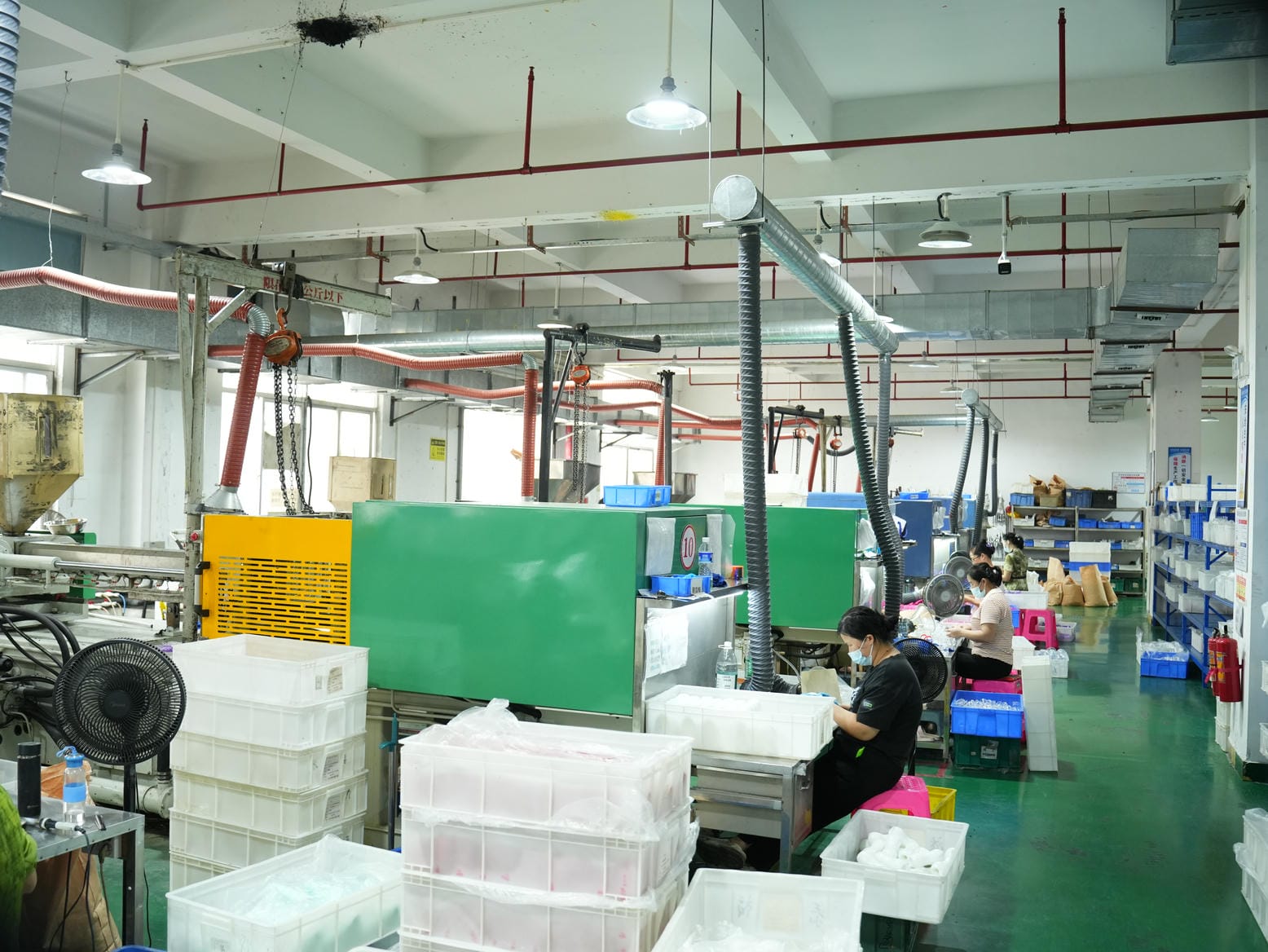
The injection molding workshop covers approximately 900 m² and the machining workshop approximately 500 m². Mold making, material mixing, injection molding, mold mounting, machining, packaging and warehousing are all in-house departments.
- Injection molding machines
- 10
- EDM machines
- 2
- Mold-making machine
- 1
- Mixers and shredders
- 3 + 3
-
Mold changes stay in our workflow
When a sample shows a rib needs moving or a wall needs thickening, the revision returns to our mold room. The mold does not leave the factory, which keeps the cycle short and the drawings consistent.
-
Shell and electronic fit checked before assembly
Dimensional drift in the shell can make a module hard to insert or leave it loose, so fit is inspected at the start of each run rather than at the end.
-
Traceable batch consistency
Material mixing and molding are controlled in-house, so a shipment can be matched to its production batch if a distributor or brand needs to investigate a complaint.
Production capacity is shared across our product range, so we confirm the schedule against your order size and electronic module lead time when you send an RFQ.
Sample Validation Before You Commit to Tooling
A sample that looks good in hand can still fail in production for reasons that only appear after the mold is cut. We recommend a staged path, and each stage has a defined output so you know what has been verified.
-
1
Feasibility review
We check your function list, module dimensions and target hardness against the planned shell structure.
-
2
Prototype
A prototype shell is produced and a representative module is fitted to confirm the internal layout.
-
3
Trial molding
Once the layout is confirmed, trial shots check wall thickness, surface finish and dimensional stability.
-
4
Pre-production sample
You receive a sample from the production mold for approval. Approval locks the specification for the bulk order, which suits brands testing the market with a limited run first.
OEM and ODM Scope for Functional Lines
We support OEM work on a shell design you already own and ODM work on a new structure. Our standard OEM/ODM terms have no minimum order quantity.
OEM
You provide drawings, a module and a function list. We manufacture to your specification, and you keep control of the design.
ODM
We develop the structure, materials and shell geometry with you from a concept or reference product. This route suits brands that have a function idea but no mechanical drawings yet.
-
Color and hardness adjustment
Standard colors and hardness adjustments are made within our TPE range. Custom colors are matched to a physical sample or color reference.
-
New molds from customer drawings
Mold development is quoted by structural complexity and order volume, so the cost reflects the actual tooling work. Electronic modules are often sourced in set quantities, and their lead time can set the schedule; we state this clearly in the quote.
Packaging, Labeling and Instruction Manuals
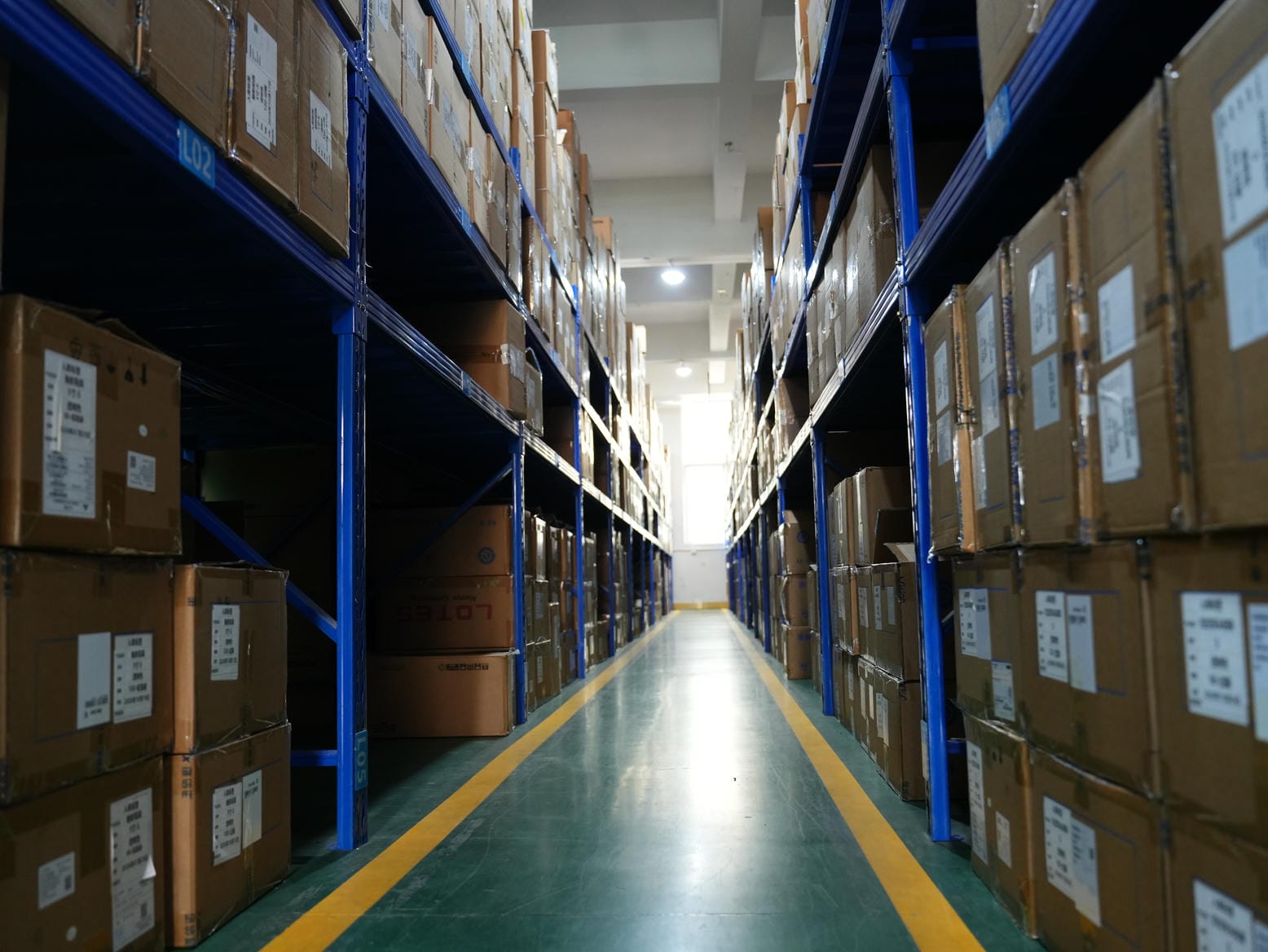
Packaging for a functional product has to explain the function and the charging or pairing steps without looking like a technical manual. Packaging artwork is handled by our packaging department, so the box, insert and labeling are coordinated before the first print run.
- Private-label boxes with your logo, color scheme and product name
- Inserts and instruction manuals written for your market and language
- Retail packaging suited to store display or online fulfillment
- Shipping cartons for distributor and bulk orders
Choosing the Right Route for Your Project
Not every project needs a new mold. The right route depends on how much control you need over the shape and how quickly you need to reach the market.
Stock-based private label
Suited to a functional line launched quickly on a shell already in our catalog. You get custom packaging and branding with a short lead time, but limited control over the shell shape.
Custom shell on an existing platform
Suited to changes in color, hardness or internal layout without full mold development. This route reduces tooling cost and time.
New mold development
Suited to a distinct product shape or proprietary internal structure. It takes longer, but gives you a shell that competitors cannot copy from a stock product.
We recommend a route after reviewing your function list and target price. If you are unsure, send your concept and we will tell you which route is realistic for your timeline and budget.
Technical Brief Parameters
The table lists what we need for a quote and what we provide for each project. Electronic specifications are defined per project and confirmed in writing before tooling. We do not quote these values from a generic template.
| Item | Your input | What we provide |
|---|---|---|
| Product type | Functional butt plug, Bluetooth-enabled | Structure review and feasibility notes |
| Function list | Features required (e.g., remote control, app pairing, or button control) | Internal layout plan matched to function |
| Electronic module | Module drawing, dimensions or physical sample | Cavity design and fit confirmation |
| App compatibility | Target platform and operating system requirements | Confirmed in writing per project before tooling |
| Wireless range | Target requirement, if any | Confirmed in writing per project before tooling |
| Ingress protection rating | Target requirement, if any | Sealing method recommendation per structure |
| Battery specification | Capacity and type requirement | Confirmed with module supplier before production |
| Shell material | TPE, with hardness and color target | Hardness and color matching on sample |
| Mold route | Stock platform, custom shell or new mold | Mold quote based on structural complexity |
| Packaging | Logo, color, box type and manual language | Private-label packaging and instruction manual |
| Certifications | Target markets (e.g., EU, US) | CE, RoHS, REACH, POPs documents for the TPE shell; module certificates confirmed per project |
| Order volume | Trial, reorder or bulk | Production schedule and lead time |
| Lead time | Target launch date | Stock models: approximately 1–3 days; new mold: evaluated per project |
Frequently Asked Questions
Short answers to the questions we hear most often from functional-line buyers.
Start an RFQ for Your Bluetooth Product
A short brief is enough to start. We will ask for the rest during the feasibility review. Please include:
- Your target function list and target markets
- Electronic module drawing or model, if already selected
- Target shell hardness and color, or a reference product
- Expected order volume for the trial and first production run
- Packaging requirements, including logo files if available
We usually reply with a feasibility assessment, a rough timeline and the sample route that fits your project. Wholesale buyers can also request our standard product catalog and wholesale terms.
Send your brief
Email or visit our factory at .
· Dongguan, Guangdong, China